Download the app to Android or IOS.
What Robinhood Does and How It Works
Robinhood functions as an investing platform that allows users to access financial markets through a single app. Users can view market data, track assets, and place trades within an interface designed for clarity and speed. The app connects market access with account management, presenting investing activity alongside balances and performance summaries. Rather than emphasizing advanced trading tools, Robinhood focuses on core functionality that supports straightforward market participation. This structure prioritizes accessibility, allowing users to interact with financial markets without navigating traditional brokerage complexity.
Key Benefits and Standout Features
One of Robinhood’s defining characteristics is its emphasis on simplicity. The app presents market information using clean visuals and concise summaries, making price movements and portfolio changes easy to follow. Another notable feature is the way Robinhood integrates market access into a single, unified experience. Users can move between viewing assets, monitoring performance, and managing their accounts without switching platforms. The app also emphasizes immediacy, with real-time data and responsive interfaces that reflect market activity as it happens. These elements collectively position Robinhood as a platform designed to lower barriers to engaging with financial markets.
User Experience and Interface Design
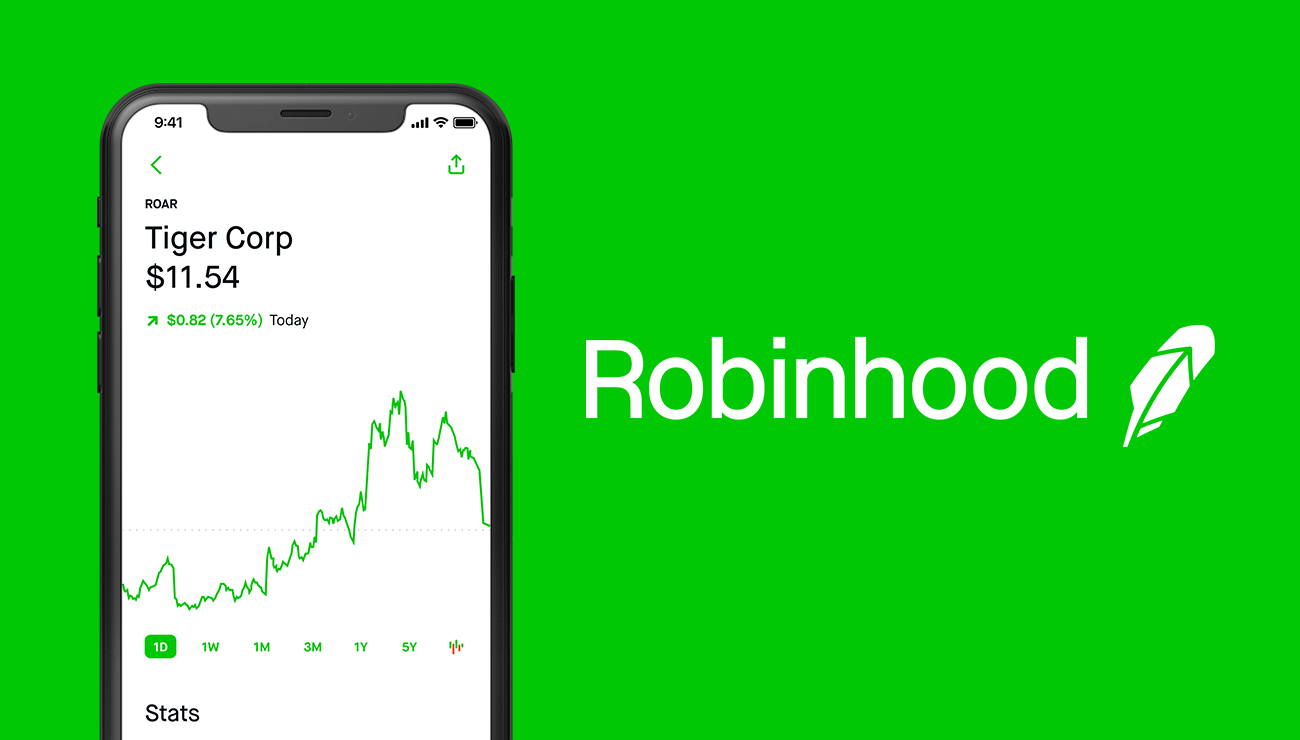
Robinhood’s interface is intentionally minimal, focusing attention on essential information. Charts, asset listings, and account summaries are presented with limited visual clutter, reinforcing the app’s emphasis on ease of use. Navigation is straightforward, with primary actions accessible from a central menu. The design avoids dense financial language, favoring plain terms and visual indicators. This approach supports frequent, casual interaction, allowing users to check market activity or account status quickly. The overall experience reflects Robinhood’s goal of making investing feel approachable and integrated into everyday digital habits.
Typical Use Cases and Audience Fit
Robinhood is commonly used by individuals who want direct access to investing through a mobile app. It fits use cases where convenience and visibility are prioritized over advanced analytical tools. The app’s structure supports users who prefer to explore markets independently, using simplified interfaces rather than traditional brokerage platforms. Rather than targeting professional or institutional users, Robinhood aligns with individuals seeking a more accessible entry point into market participation. Its design suggests an audience interested in monitoring and engaging with markets in a self-directed, app-based environment.
How Robinhood Fits Within the Finance App Landscape
Within the broader finance app ecosystem, Robinhood occupies a space centered on access and simplicity. While other apps focus on budgeting, banking, or financial interpretation, Robinhood’s primary role is facilitating interaction with markets. This positioning allows it to complement other finance tools rather than replace them. By emphasizing streamlined design and mobile accessibility, Robinhood reflects a broader shift toward app-based investing platforms that prioritize user experience alongside market access.